Industries · Snack Production
Frying Oil for Snack Food Production
In fried snacks, the oil becomes part of the product, often a third of its weight. Stable oils mean better flavor, longer shelf life and fewer oil changes on the line.
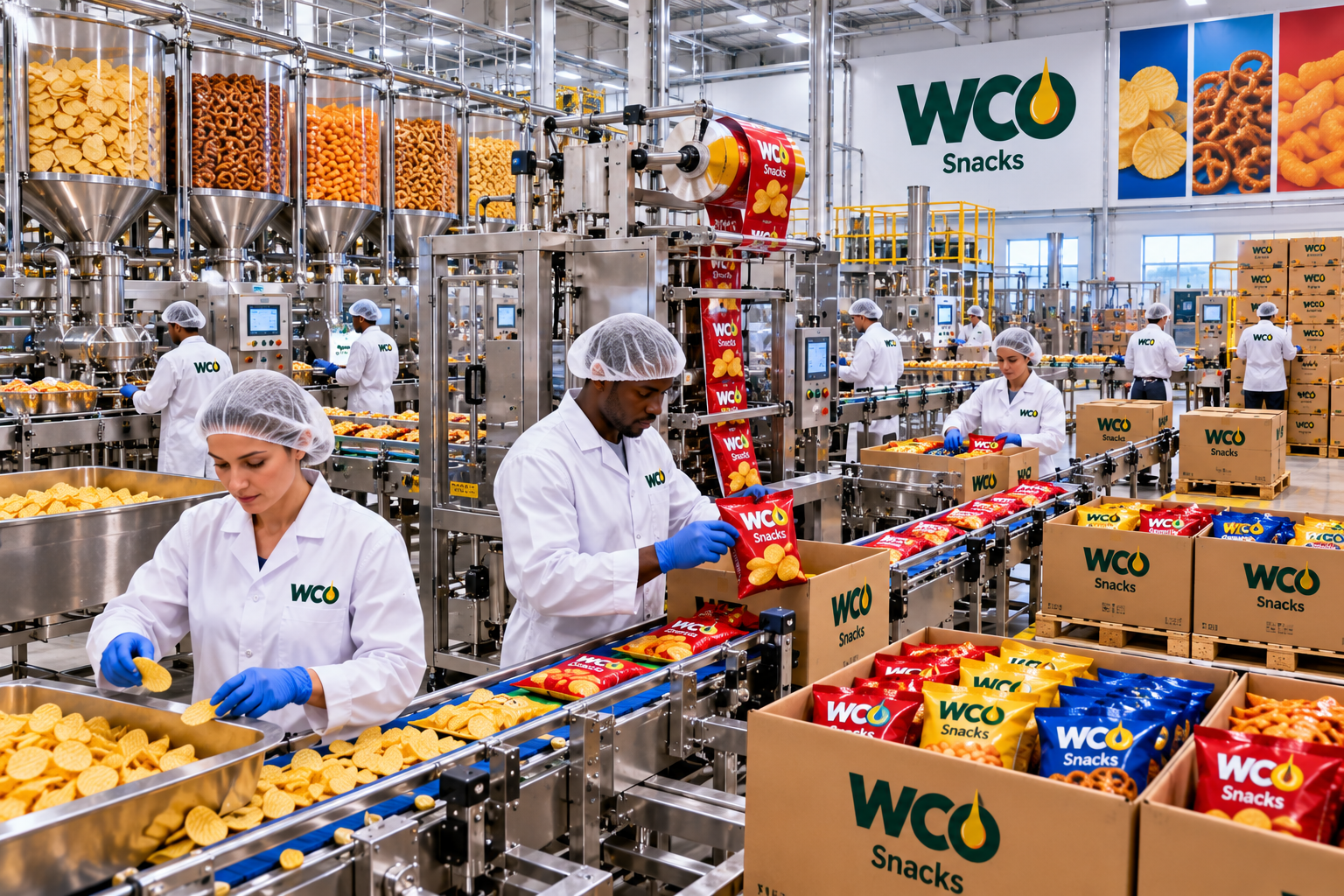
Continuous fryers for chips, crisps, extruded snacks and nuts run for hours at high temperature, and fried snacks absorb a large share of oil. That oil has to stay stable in the fryer and in the bag, because oxidized oil is the main cause of stale, off-tasting snacks.
Oils low in polyunsaturated fat and omega-3, such as palm olein and high-oleic sunflower and canola oils, give the longest fry life and shelf life. Cottonseed oil, with almost no omega-3, is a traditional chip oil prized for its clean, nutty flavor. We supply them in IBC totes and flexitanks with a Certificate of Analysis for every lot.
What matters
What snack producers need from an oil supplier
Shelf life
Stable oils keep snacks fresh in the bag for longer.
Fry life
Fewer oil changes on continuous lines.
Clean flavor
Oils that let seasonings come through.
Bulk supply
IBC totes and flexitanks for continuous production.
Recommended oils
Oils for snack producers
Our most popular choices. Every oil is available in every pack size; browse all oils.
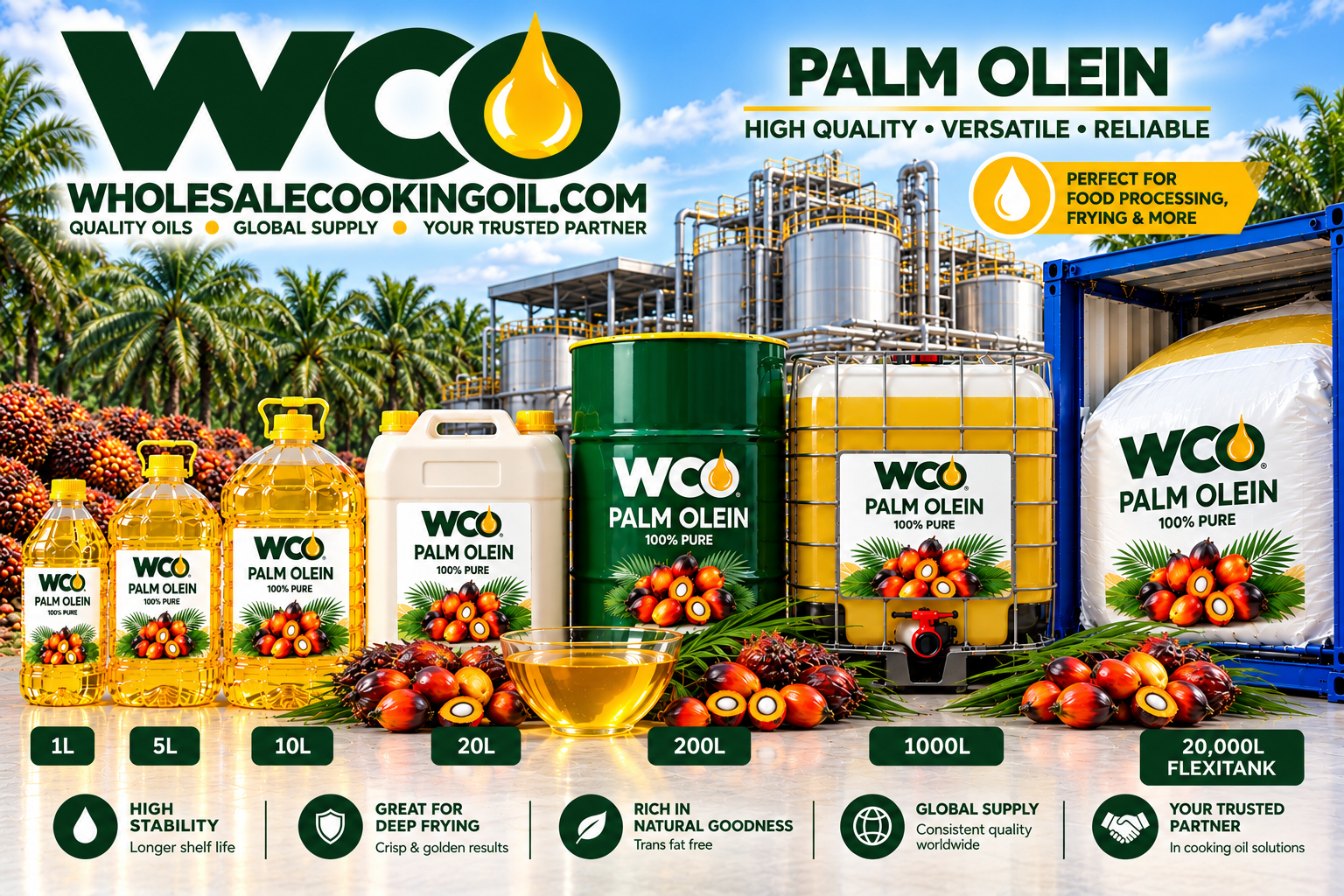
Palm Olein
Stable and economical for continuous frying.
View oil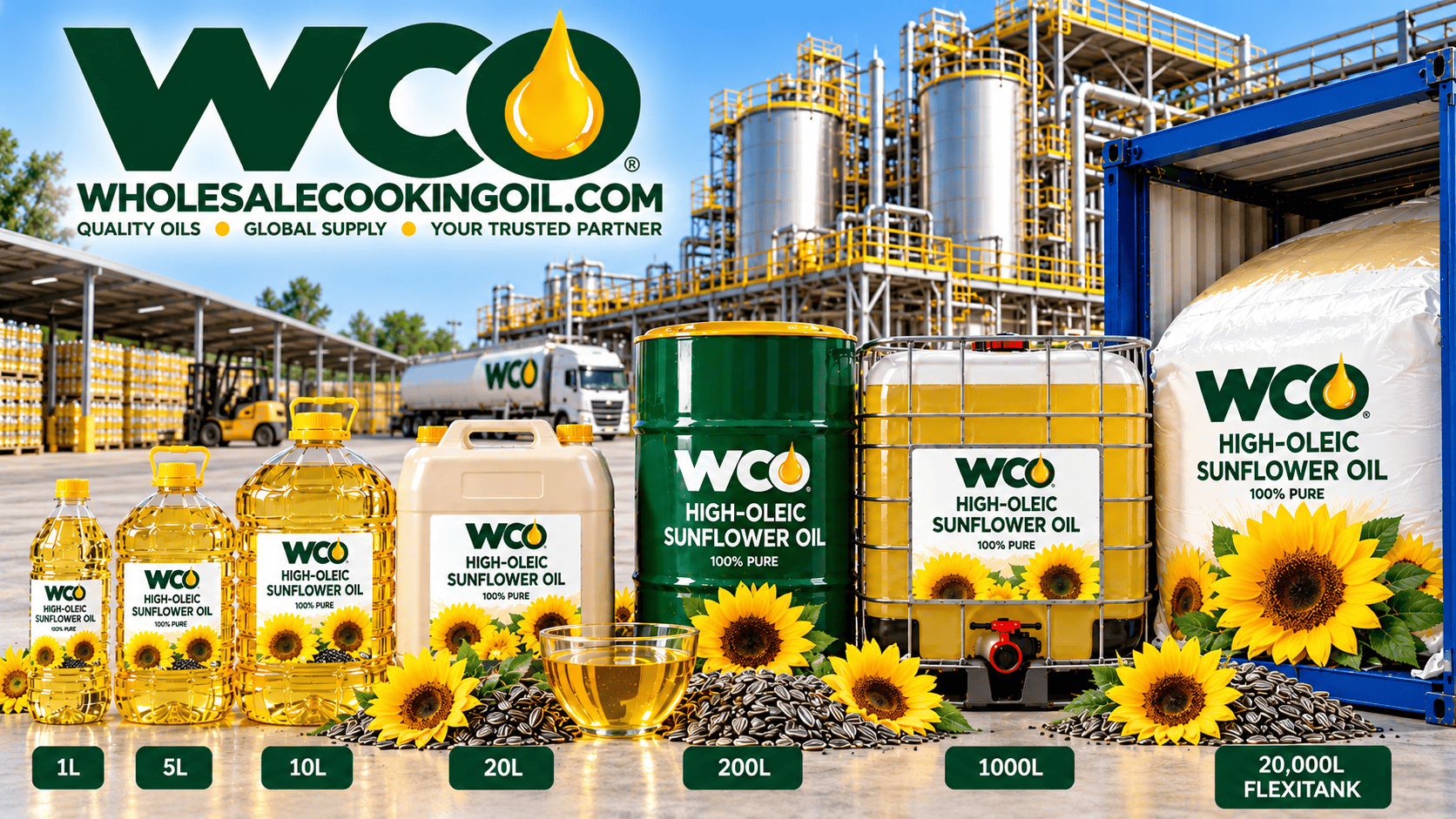
High-Oleic Sunflower Oil
Long shelf life with low saturated fat.
View oil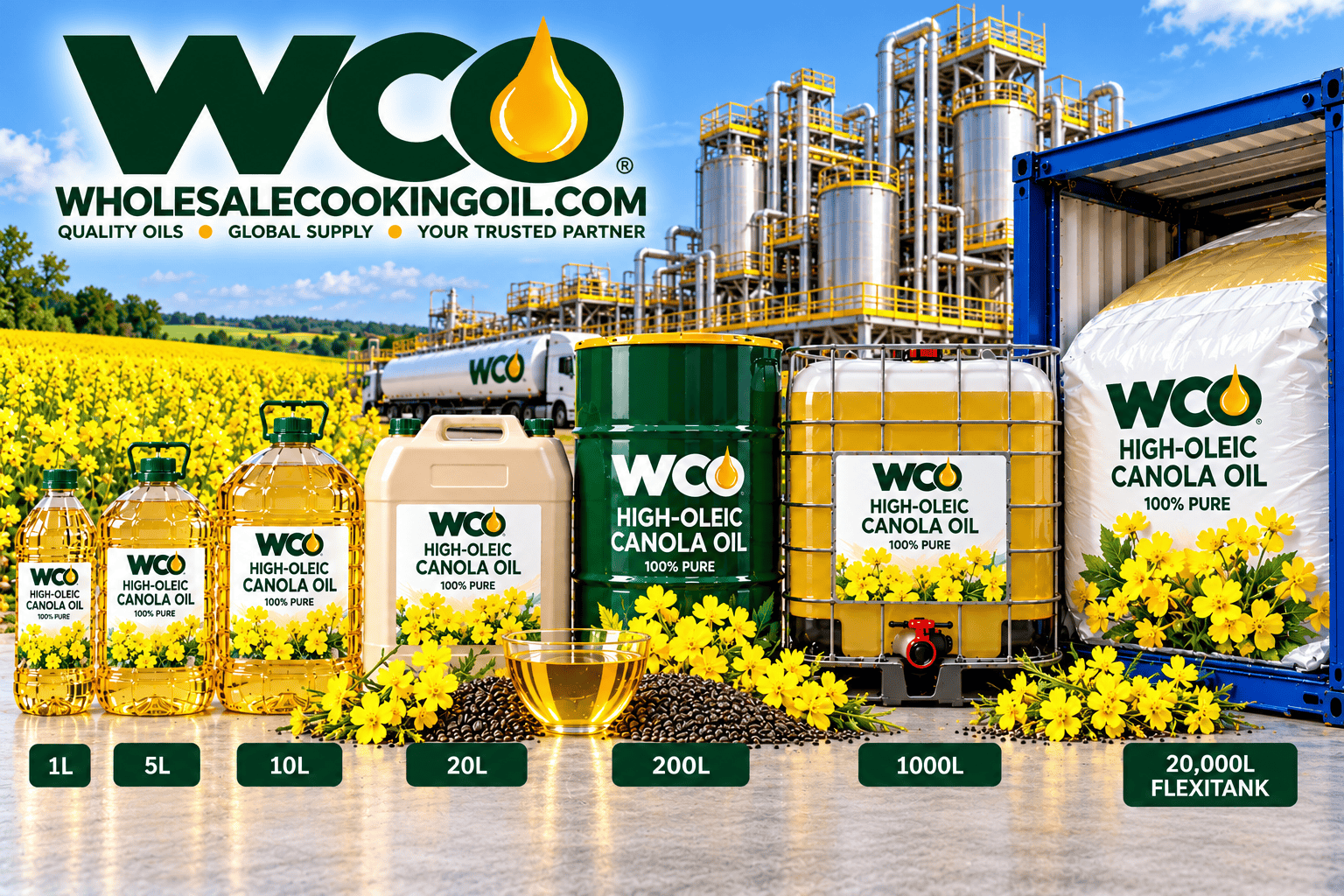
High-Oleic Canola Oil
Stable, low in saturated fat.
View oil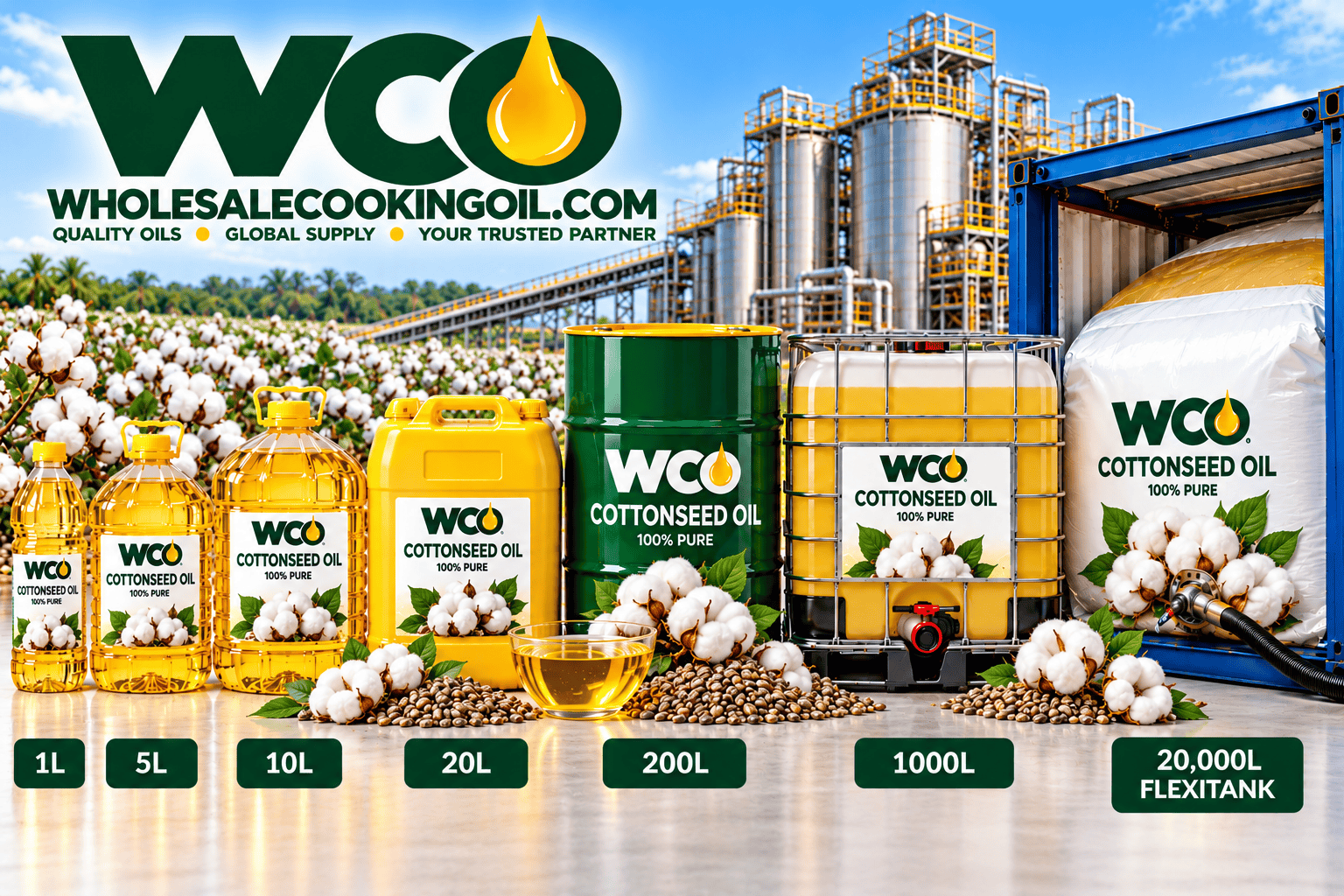
Cottonseed Oil
A traditional chip and snack frying oil.
View oil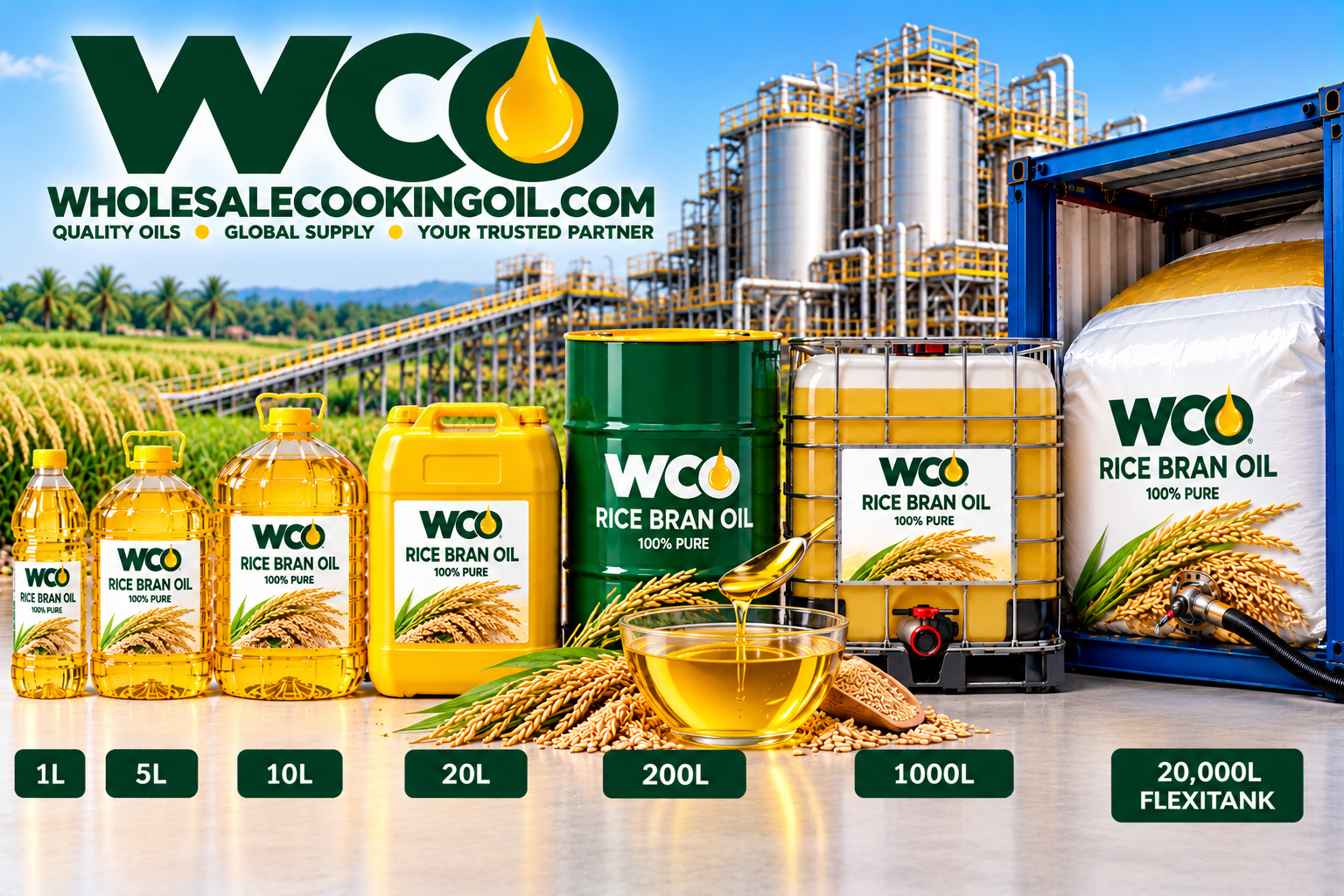
Rice Bran Oil
Light, crisp frying for crackers and Asian snacks.
View oil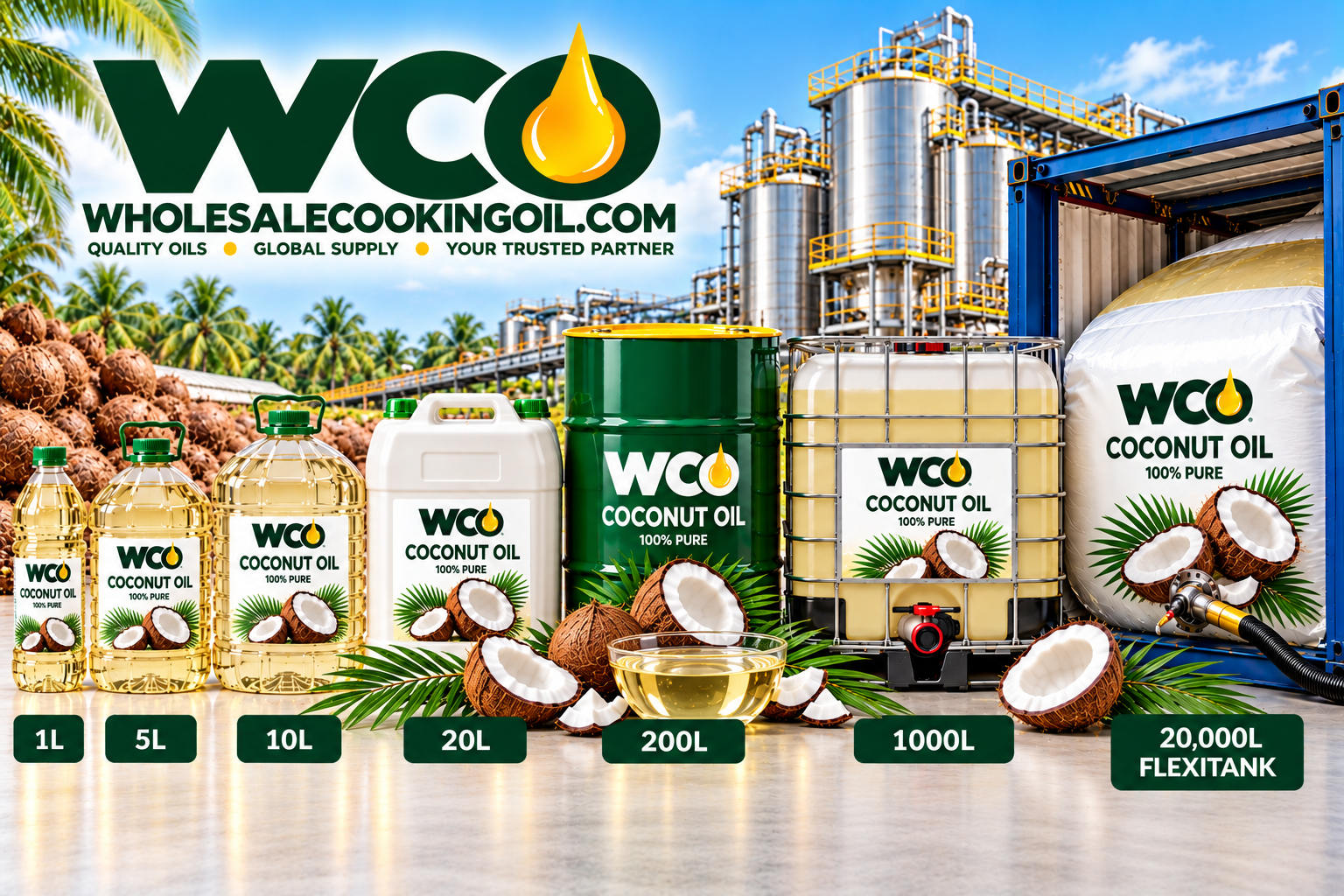
Coconut Oil
Popcorn and coated snacks.
View oilCompare
How the oils compare
Heat stability reflects how much polyunsaturated fat and omega-3 an oil contains: the less it has, the longer it lasts in a fryer and in finished food. Smoke points are for refined grades, as stated on each oil page.
| Oil | Best for | Heat stability | Smoke point | At room temperature |
|---|---|---|---|---|
| Palm Olein | Continuous frying | Very high | About 230 °C / 450 °F | Liquid; may cloud when cool |
| High-Oleic Sunflower Oil | Long shelf life, low saturated fat | Very high | About 230 °C / 450 °F | Liquid |
| High-Oleic Canola Oil | Long shelf life, very low omega-3 | Very high | About 246 °C / 475 °F | Liquid |
| Cottonseed Oil | Traditional chip frying | High | About 220–230 °C / 430–450 °F | Liquid |
| Rice Bran Oil | Crackers and Asian snacks | High | About 232 °C / 450 °F | Liquid |
| Coconut Oil | Popcorn and coated snacks | Very high | About 204–232 °C / 400–450 °F | Solid below about 24 °C |
Example
Example order: a potato chip line
Potato chips typically contain around a third of their weight in oil. A line making 1 tonne of chips a day therefore takes up roughly 350 kg, or about 380 liters, of oil a day, plus losses. At that rate a 20,000-liter flexitank lasts around 50 production days.
| Oil | Pack | Quantity | Liters |
|---|---|---|---|
| High-Oleic Sunflower Oil | 20,000L Flexitanks | 1 × 20,000L Flexitank | 20,000 L |
| Total | 20,000 L | ||
An illustration only: your own quantities depend on your menu, equipment and volumes. The minimum is 1,000 liters per quote across all lines.
Good practice
Tips for snack producers
- Keep turnover high: fresh oil added as snacks absorb it keeps quality steady.
- Limit oil exposure to air and light in storage and in the fryer.
- Choose high-oleic oils if you want lower saturated fat on the label.
- Pack snacks with low oxygen where possible to protect the oil.
Rules and research
What snack producers should know
- The EU sets acrylamide benchmark levels of 750 µg/kg for potato crisps and 400 µg/kg for most crackers. Source: Commission Regulation (EU) 2017/2158 on acrylamide
- EU limits for 3-MCPD and its esters, in force since 2021, apply to refined oils used in snacks: 1,250 µg/kg for oils such as sunflower and rapeseed, and 2,500 µg/kg for others, including palm oil. Source: Commission Regulation (EU) 2020/1322 on 3-MCPD and glycidyl esters
- In the United States, partially hydrogenated oils may not be added to food without FDA approval; the FDA’s compliance dates began on June 18, 2018 and its last extensions ended on January 1, 2020. Source: US FDA: final determination on partially hydrogenated oils
Rules change and differ by country. Always confirm the requirements that apply where you operate.
FAQ
Questions from snack producers
Which oil gives snacks the longest shelf life?
Oils low in polyunsaturated fat: palm olein and high-oleic sunflower or canola oil. Cottonseed oil is also widely used for its flavor and low omega-3 content.
Can you supply oil in bulk for continuous fryers?
Yes, in 1,000-liter IBC totes or 20,000-liter flexitanks discharged into your storage tanks.
Which oil is best for popcorn?
Coconut oil is a classic popcorn oil; palm oil and high-oleic oils are also used.
How does oil choice affect snack shelf life?
Snacks absorb a lot of oil, and oxidized oil is the main cause of stale flavors. Oils low in polyunsaturated fat keep snacks fresh for longer.
Can you supply a lower saturated fat frying oil?
Yes. High-oleic sunflower and canola oils are low in saturated fat and very stable.
Get a quote for your business
Add the oils, grades and pack sizes you need to one list and send a single request.